

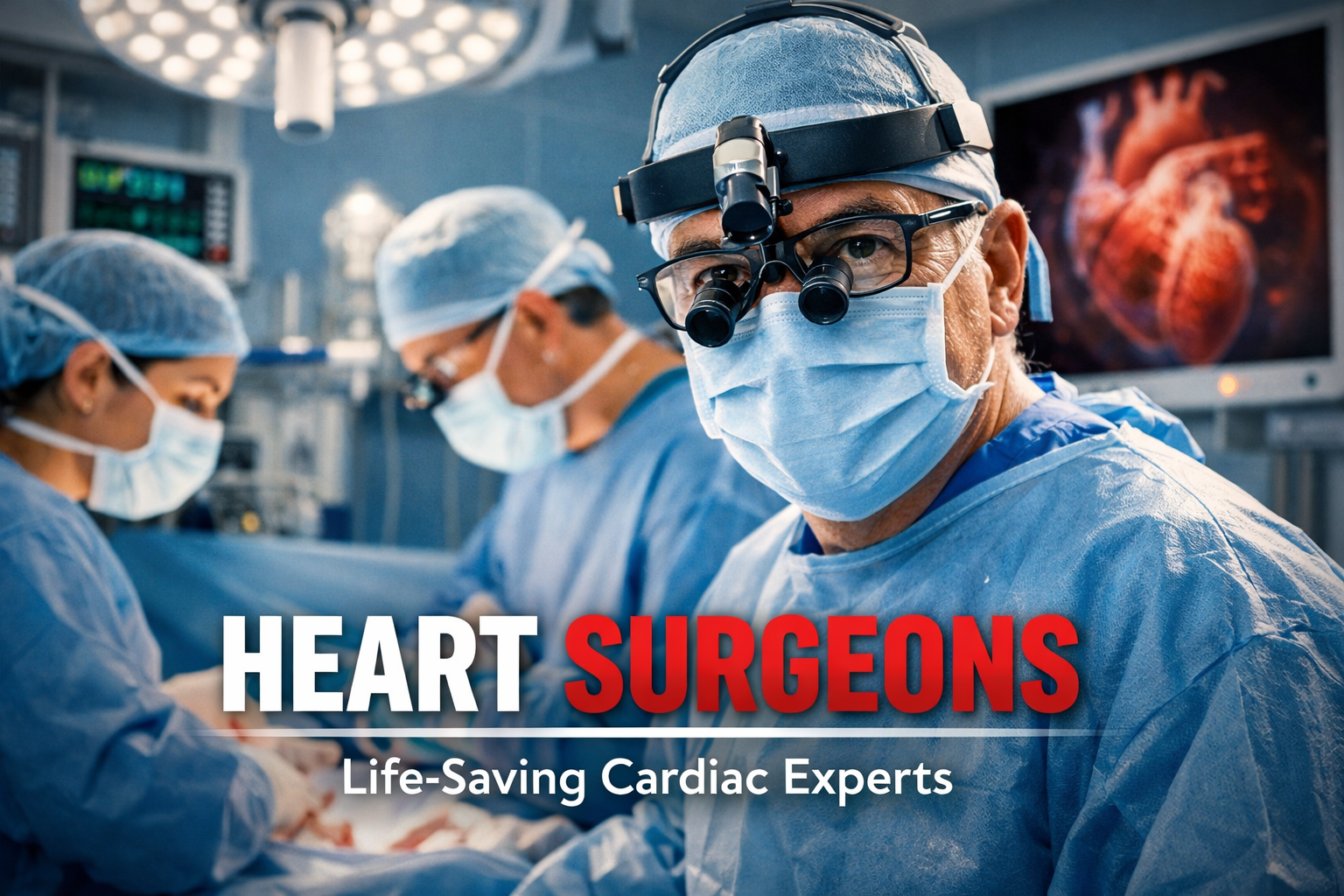
Heart surgeons are among the most skilled and respected medical professionals in the world. They perform complex procedures that save lives, restore heart function, and improve the quality of life for millions of patients every year. As heart disease remains one of the leading causes of death globally, the role of heart surgeons has become more critical than ever.
In this article, we’ll explore who heart surgeons are, what they do, the types of procedures they perform, how to choose the best heart surgeon, and why their expertise is vital for modern healthcare.
Who Are Heart Surgeons?
Heart surgeons, also known as cardiothoracic or cardiac surgeons, are medical doctors who specialize in surgical procedures involving the heart, chest, and major blood vessels. Unlike cardiologists, who treat heart conditions with medications and non-surgical methods, heart surgeons perform open-heart surgeries and advanced minimally invasive procedures.
- These specialists undergo extensive education, including:
- Medical school
- General surgery training
- Advanced cardiac surgery fellowships
This long training ensures heart surgeons are prepared to handle high-risk and life-saving operations.
What Do Heart Surgeons Do?
Heart surgeons diagnose and treat severe heart conditions that cannot be managed with medication alone. Their work often involves high-pressure situations where precision and experience are crucial.
Common Responsibilities of Heart Surgeons:
- Performing open-heart surgery
- Repairing or replacing heart valves
- Conducting bypass surgeries
- Treating congenital heart defects
- Managing heart trauma and emergencies
- Collaborating with cardiologists and anesthesiologists
Heart surgeons often work long hours and are on call for emergencies, as heart conditions can be unpredictable.
Common Procedures Performed by Heart Surgeons
Heart surgeons perform a wide range of procedures, from traditional open surgeries to advanced minimally invasive techniques.
1. Coronary Artery Bypass Grafting (CABG)
This is one of the most common procedures performed by heart surgeons. It improves blood flow to the heart by bypassing blocked arteries.
2. Heart Valve Repair or Replacement
Damaged valves can disrupt blood flow. Heart surgeons repair or replace faulty valves using mechanical or biological options.
3. Minimally Invasive Heart Surgery
Modern heart surgeons often use smaller incisions, resulting in less pain, quicker recovery, and fewer complications.
4. Heart Transplant Surgery
In severe cases, heart surgeons replace a failing heart with a healthy donor heart.
5. Congenital Heart Defect Surgery
Heart surgeons treat heart problems present at birth in both children and adults.
Skills That Make Great Heart Surgeons
Becoming a successful heart surgeon requires more than education. These professionals must possess a unique set of skills:
- Exceptional hand-eye coordination
- Strong decision-making under pressure
- Emotional resilience
- Attention to detail
- Strong communication skills
Heart surgeons must also keep up with the latest medical advancements and technologies.
How to Choose the Best Heart Surgeons
Choosing the right heart surgeon can make a significant difference in treatment outcomes. Here are key factors to consider:
✔ Experience and Specialization
Look for heart surgeons who specialize in your specific condition and have years of experience.
✔ Hospital Affiliation
Top heart surgeons usually work in well-equipped hospitals with advanced cardiac care units.
✔ Patient Reviews and Success Rates
Reading patient testimonials can provide insight into a surgeon’s expertise and bedside manner.
✔ Board Certification
Certified heart surgeons meet strict professional standards and follow best medical practices.
Risks and Recovery After Heart Surgery
Like all surgeries, heart procedures carry some risks, including infection, bleeding, or irregular heartbeat. However, modern techniques have significantly reduced these risks.
Recovery Tips After Heart Surgery:
- Follow your heart surgeon’s instructions carefully
- Attend cardiac rehabilitation programs
- Maintain a heart-healthy diet
- Avoid smoking and manage stress
- Take medications as prescribed
Recovery times vary depending on the procedure, but most patients return to normal activities within weeks to months.
The Future of Heart Surgery
The field of heart surgery is rapidly evolving. Robotic surgery, artificial intelligence, and advanced imaging techniques are transforming how heart surgeons operate.
Some future advancements include:
- Robotic-assisted heart surgeries
- Faster recovery techniques
- Improved heart transplant technology
- Personalized treatment plans
These innovations are helping heart surgeons achieve better results with less risk.
Why Heart Surgeons Are Essential to Modern Healthcare
Heart surgeons play a vital role in reducing mortality rates from heart disease. Their expertise not only saves lives but also improves long-term health outcomes for patients worldwide.
With heart disease on the rise due to lifestyle factors, the demand for skilled heart surgeons continues to grow. Their work impacts families, communities, and entire healthcare systems.
Conclusion
Heart surgeons are true life-savers who dedicate their careers to treating the most critical heart conditions. From complex open-heart surgeries to advanced minimally invasive procedures, their skills and commitment make modern cardiac care possible.
If you or a loved one is facing a serious heart condition, choosing an experienced heart surgeon can be one of the most important decisions you’ll ever make. With ongoing medical advancements, heart surgeons continue to offer hope, healing, and a second chance at life.
