

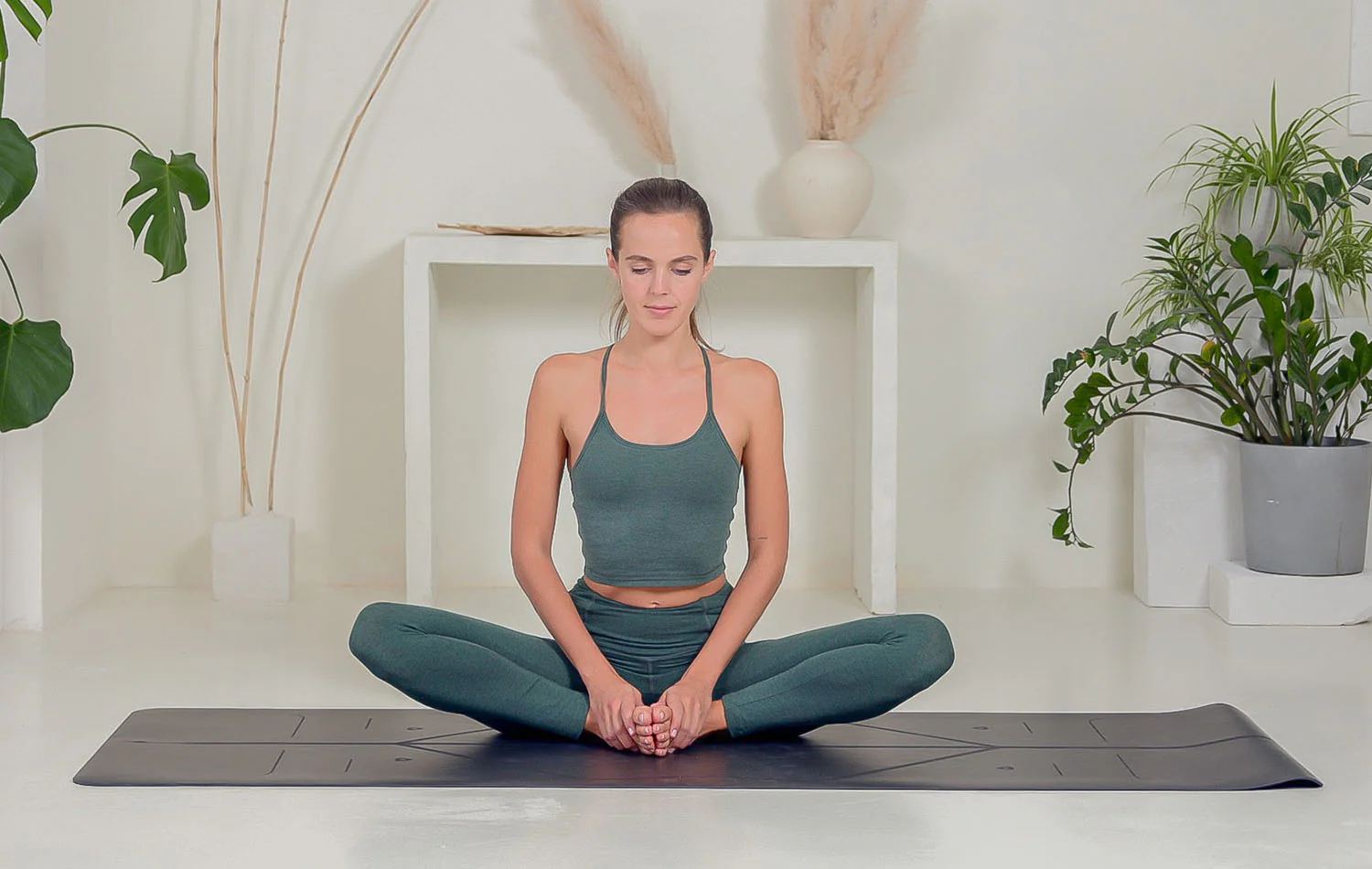
Staying active is essential at every stage of life, but for older adults, choosing the right type of exercise is especially important. Yoga is a gentle, low-impact practice that helps seniors maintain mobility, balance, strength, and mental calm without placing unnecessary strain on the body. When adapted properly, yoga can be safe and accessible for seniors of nearly all ability levels.
Many older adults are turning to Yoga exercises for seniors as a way to stay flexible, reduce stiffness, and support overall wellness while honoring physical limitations.
Benefits of Yoga for Seniors
Yoga offers both physical and mental benefits that support healthy aging. Regular practice can help seniors improve joint flexibility, reduce muscle tension, and maintain better posture. Gentle stretching also helps ease common aches associated with arthritis or limited mobility.
Beyond physical health, yoga supports emotional wellbeing. Controlled breathing and mindful movement can reduce stress, anxiety, and restlessness. For seniors who experience sleep difficulties, yoga may also promote relaxation and better rest.
Practicing Yoga exercises for seniors consistently can contribute to better balance and coordination, which plays an important role in fall prevention.
Safety Tips Before Starting Yoga
Before beginning any new exercise routine, seniors should consider a few safety guidelines. It’s always wise to consult a healthcare provider, especially for individuals with chronic conditions, joint replacements, or balance concerns.
Key safety tips include:
- Start slowly and avoid pushing through pain
- Use a sturdy chair, wall, or yoga blocks for support
- Wear comfortable clothing and non-slip footwear
- Focus on controlled movements rather than deep stretches
Listening to the body is essential. Yoga should feel supportive, not exhausting. Properly guided Yoga exercises for seniors prioritize comfort and safety over intensity.
Gentle Seated Yoga Exercises
Seated yoga is ideal for seniors who have difficulty standing for long periods or who need additional stability. These poses allow for stretching and movement while remaining safely supported.
Popular seated exercises include:
- Seated spinal twists to improve mobility
- Gentle forward bends to stretch the back and hips
- Neck and shoulder rolls to reduce stiffness
Seated routines are often a great introduction to Yoga exercises for seniors, especially for beginners or those returning to physical activity after a break.
Standing Yoga Exercises for Balance
Balance naturally declines with age, making standing poses an important part of senior yoga routines. These exercises should always be performed near a wall or chair for safety.
Helpful standing poses include:
- Mountain Pose to improve posture and alignment
- Tree Pose (with support) to strengthen balance
- Heel-to-toe movements to enhance coordination
Practicing standing poses helps build confidence and stability while strengthening the legs and core. When done safely, Yoga exercises for seniors can significantly support balance and fall prevention.
Yoga Poses for Strength and Flexibility
Maintaining strength is just as important as staying flexible. Gentle yoga poses help seniors strengthen muscles without high impact or heavy resistance.
Effective poses include:
- Chair Pose to build leg strength
- Cat-Cow Pose to increase spinal flexibility
- Gentle lunges to support hip and thigh muscles
These movements help seniors remain functional in daily life, supporting activities like standing up from a chair, walking, or reaching overhead. Many seniors find that Yoga exercises for seniors offer a balanced approach to strength and flexibility that feels manageable and empowering.
Restorative Yoga and Relaxation
Restorative yoga focuses on relaxation and recovery rather than movement. This style is particularly beneficial for seniors managing stress, chronic pain, or fatigue.
Restorative practices may include:
- Deep breathing exercises
- Gentle stretching with full support
- Guided relaxation or mindfulness
These calming techniques help lower stress levels and promote emotional balance. While yoga and Tai Chai for Seniors are often grouped together for their gentle approach, restorative yoga emphasizes stillness and relaxation as its primary benefit.
How Often Should Seniors Practice Yoga?
Consistency matters more than intensity. Seniors can benefit from yoga by practicing two to four times per week, even if sessions are short. A 20- to 30-minute routine can provide meaningful physical and mental benefits.
It’s important to allow rest days and adjust frequency based on energy levels. Over time, regular Yoga exercises for seniors can become a sustainable part of a healthy daily routine rather than a demanding workout.
Conclusion
Yoga is a powerful tool for supporting healthy aging. With its gentle movements, adaptability, and focus on balance and mindfulness, yoga meets seniors where they are physically and emotionally. Whether practiced seated, standing, or through restorative techniques, yoga helps seniors stay active, confident, and engaged in their daily lives.
When approached thoughtfully and safely, Yoga exercises for seniors offer a lasting way to improve flexibility, balance, strength, and overall wellbeing making yoga an excellent choice for older adults looking to stay healthy and independent.
